home |
science club |
tuxtalk |
photos |
toolbox |
avr microcontroller & DIY electronics |
e-cards |
familyhistory

no preservatives added blog |
herbal treasure chest |
splash into math |
computer and graphics corner |
periodic table
Gooseberry
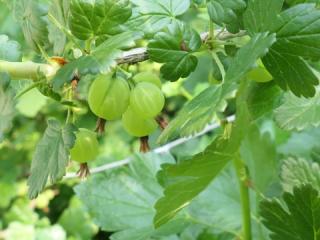
When I was a child I ate a lot of gooseberries as my greatgrandparents and my grandparents had lots of them growing in their garden. I ate them either raw or as cake. When there was a family event to celebrate my grandma would bake a lot of different cakes and gooseberry cake was never missing among them. Now we are growing them in our garden and I can attest that they are also a favorite among the animals living here.
how to grow:
To grow gooseberries you need to get a plant or some cuttings. They are hardy in US hardy zones 3-8. You only need one plant to get fruits as they are self-pollinating. They need good air flow so you need to give each plant enough space as otherwise they can easily get sick with mildew. Keep each plant 1-1.5m away from other bushes and at least 300m away from any white pine tree. Plants that grow well with gooseberries include mint, thyme, chives, calendula and borage.
medicinal properties:
You can eat the berries raw or makes them into jams, pies or cakes.
Gooseberries are high in vitamins A and C. They contain 40% more vitamin C than oranges and lemons. That means they are good for your immune system and can also improve your vision.
They are also rich in antioxidants which prevents cell damage in your body.
In addition they are a good source of minerals. They contain potassium, calcium, magnesium, iron, zinc, phosphorus and manganese as well as copper, selenium, chromium, cobalt, molybdenum, boron and fluoride.
Minerals like potassium, calcium and phosphorus help regulate blood pressure, support bone density, and maintain proper muscle and nerve function.
They also contain fibers that help with digestion.
cautions and possible side effects:
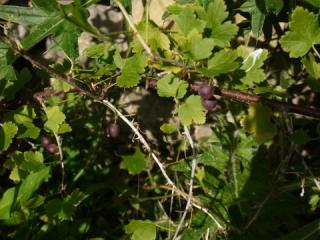
- Gooseberries have thorns so be careful not to prick yourself when picking them
- Only the fruit is edible. The fresh leaves contain hydrogen cyanide which when eaten in bigger quantities can cause respiratory failure or even death. They can be used to treat wounds however.
further reading:
Copyright © 2004-2026 Katja Socher, tuxgraphics.org